There’s something magical about capturing a bird mid-flight or a deer peeking through the trees. But let’s be real — getting that perfect shot often comes down to your lens.

If you’re wondering:
“What lens should I buy for wildlife photography?”
I’ve got you covered. Here’s what you need to know — without the technical overwhelm!
1. Focal Length: The Farther, The Better
Wild animals don’t pose for the camera.
They’re shy. They move fast. And they definitely don’t want you too close.
👉 Tip: You want a telephoto lens. The bigger the focal length, the closer you can “zoom in” from a safe distance.
📷 Good starting point?
A 300mm lens is great for beginners. If you can get a 400mm or 500mm, even better! But don’t worry if you can’t afford those huge pro lenses yet — you’ll still get amazing shots with a 70-300mm zoom.
2. Prime vs. Zoom: What’s the Difference?
-
Prime lenses have a fixed focal length — they’re usually sharper, but you can’t zoom.
-
Zoom lenses give you flexibility, so you can follow moving animals more easily.
👉 Real talk: Unless you’re ready to splurge on multiple primes, a good telephoto zoom is a life-saver in the wild.
 |
3. Aperture: How Bright is Your Lens?
Low light is common in forests and early mornings — which is exactly when wildlife is active.
✅ A wider maximum aperture (like f/4 or f/2.8) lets in more light and helps create that beautiful blurry background.
💸 The wider the aperture, the more expensive the lens. So balance your budget!
4. Image Stabilization is a Game Changer
When you’re shooting handheld with a big lens, your hands shake — it’s normal!
Look for a lens with image stabilization (IS or VR) to help reduce blur, especially in low light.
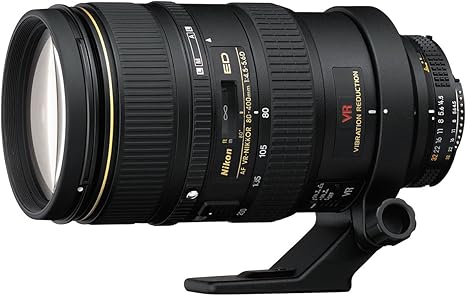 |
Nikon 80-400mm f/4.5-5.6D ED Autofocus VR Zoom Nikkor Lens |
5. Consider Weight and Portability
Big lenses can weigh a TON.
Hiking with a 2 kg lens around your neck? Yeah… not so fun after the first hour.
👉 If you’re traveling or moving a lot, think about what you can realistically carry and shoot with for hours.
Popular Wildlife Lenses (Starter Ideas)
-
Nikon: 200-500mm f/5.6 — budget-friendly telephoto zoom.
-
Canon: 100-400mm f/4.5-5.6 — super versatile!
-
Sony: 200-600mm f/5.6-6.3 — amazing reach for birds.
-
Sigma/Tamron: 150-600mm — great third-party budget options

6. Rent Before You Buy
Wildlife glass is expensive. If you’re not sure what you love yet, rent a few lenses.
Spend a weekend at a park or reserve — you’ll quickly learn what works for you.
🐾 Final Words: It’s Not All About Gear
Remember, the lens helps — but patience, timing, and practice matter more.
You don’t need a $15,000 super-telephoto to capture amazing wildlife moments.
Learn to watch, listen, and move quietly — your best shots might come from your patience, not your wallet.
Photo Credits: Nicholas Santasier, Wildlife Alliance, Vincent M.A. Janssen